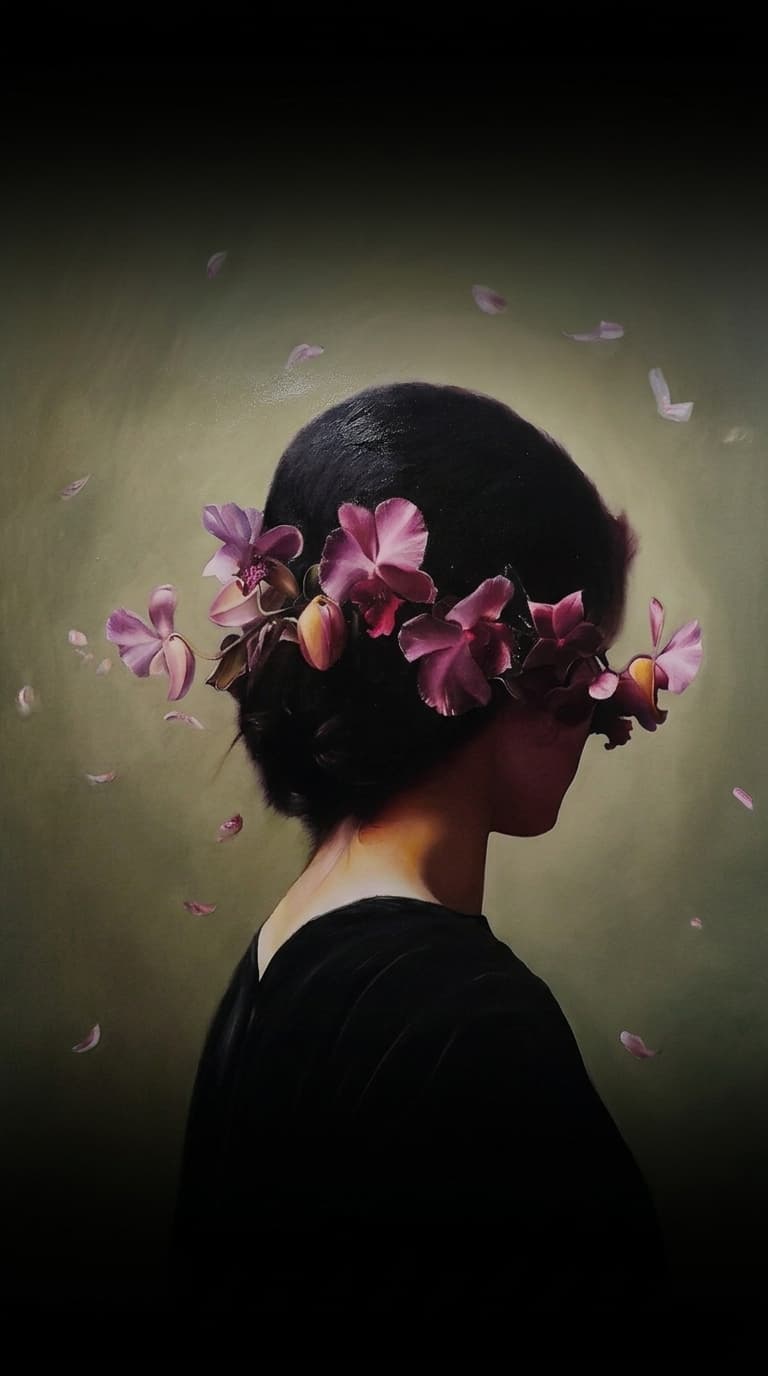
Del Carmenby Rō Visual

The Artist

RolandoRojas

A life shaped by curiosity, observation and light.

The Artist

Long before paintingbecame a practice,there was observation.

Growing up in El Carmen, Puntarenas, Costa Rica, Rolando Rojas would sit on a bench facing the sea and draw palm trees, boats and sunsets. At the time, drawing was simply curiosity — a quiet fascination with the world and with those who seemed naturally capable of translating it onto paper.

For many years, that fascination remained dormant. His professional path led instead toward computer science, programming and eventually digital design. Yet through multimedia, animation, color and composition, the visual world quietly returned. What appeared to be a different path was already shaping another way of seeing.

It was not until adulthood that drawing re-entered his life with intention. An interest in the intricate illustrations of Johanna Basford led him to pen-and-ink work and to a short course that would become unexpectedly decisive. After only a few weeks, his teacher recognized a progression he had never imagined in himself and encouraged him to continue.

That encounter changed the question. It was no longer whether he had been born knowing how to draw, but how far curiosity, discipline and time might take him.

The search eventually led to academic realism and to Atelier del Sol in San José, where he trained under Emilia Cantor and immersed himself in drawing and painting methods rooted in the academic tradition. He later graduated as an academic painter — not as the conclusion of a journey, but as the foundation for a more personal one.

Today, his practice exists between discipline and discovery: between everything technique can teach and everything that can only emerge through experience.
The Practice

Betweenobservationand the canvas.

Painting begins long before the first brushstroke.

It begins in looking — in noticing how light changes a face, how a gesture alters the balance of a figure, how color shifts beside another color, or how a seemingly insignificant detail can hold the emotional weight of an entire composition.

Academic training gave Rolando a structure through which to understand what he was seeing: drawing, proportion, value, anatomy, composition, color and the patient construction of form. These principles remain present in his work, not as rules to be displayed, but as tools that allow intuition to become visible.

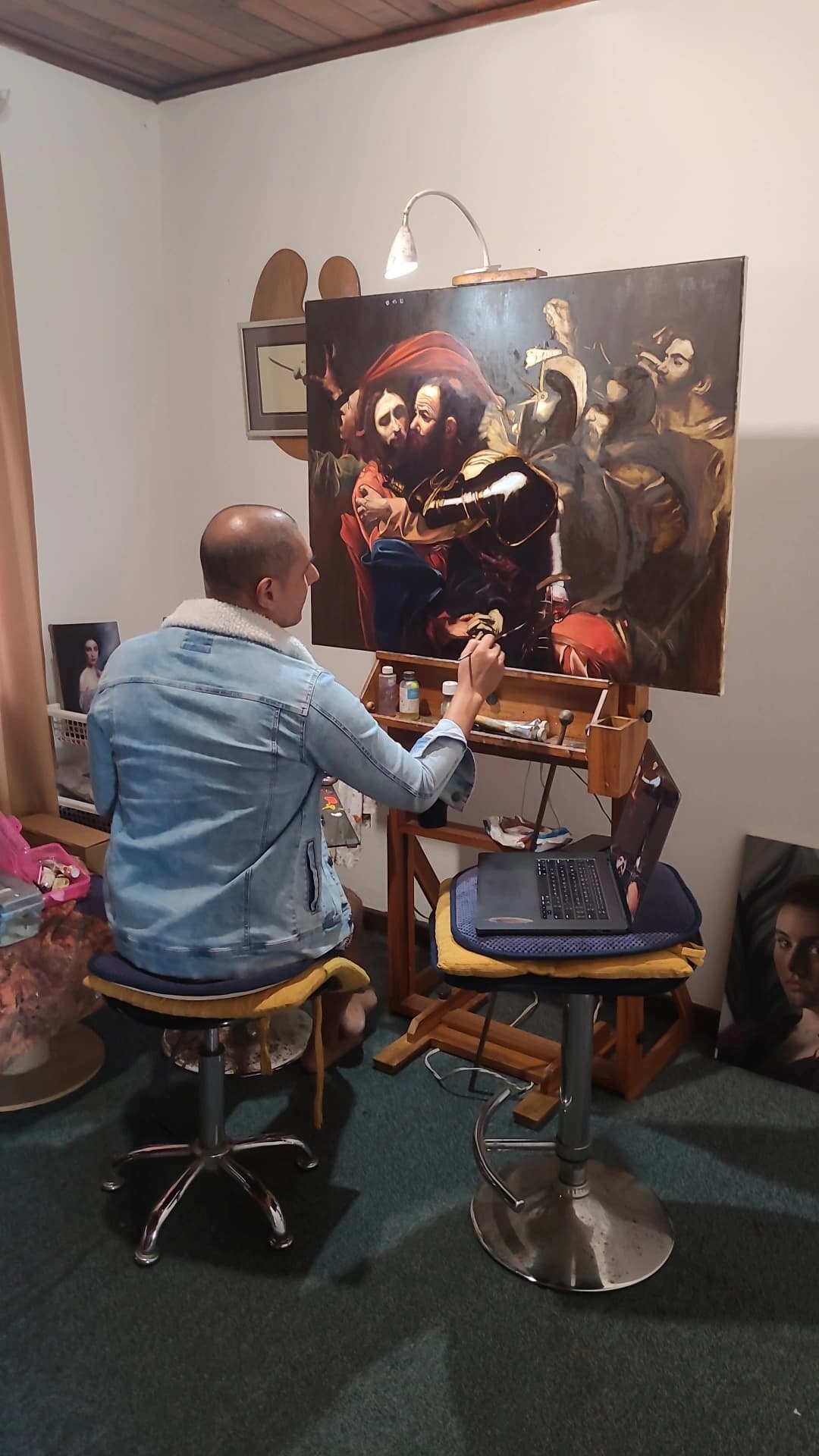
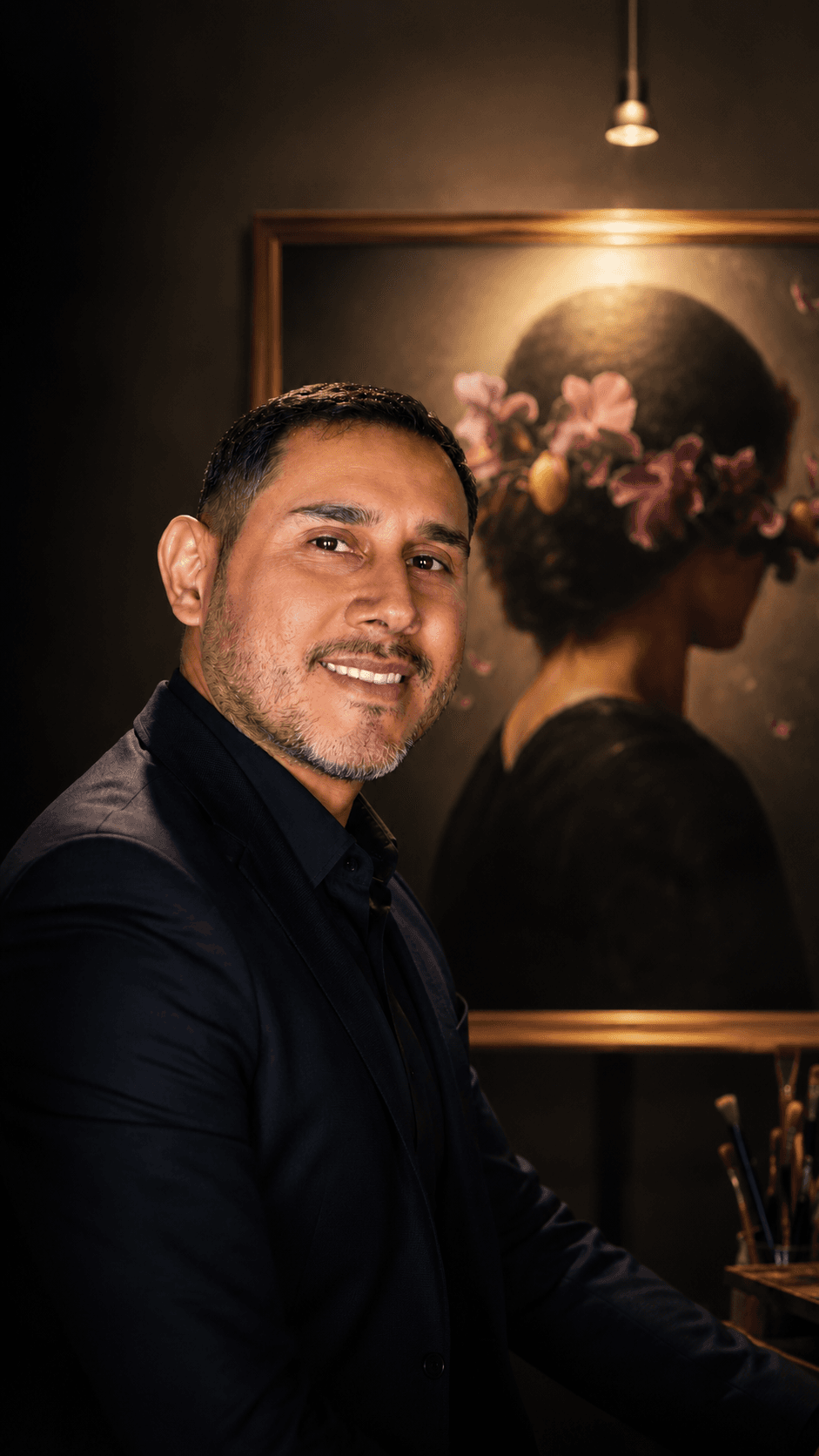
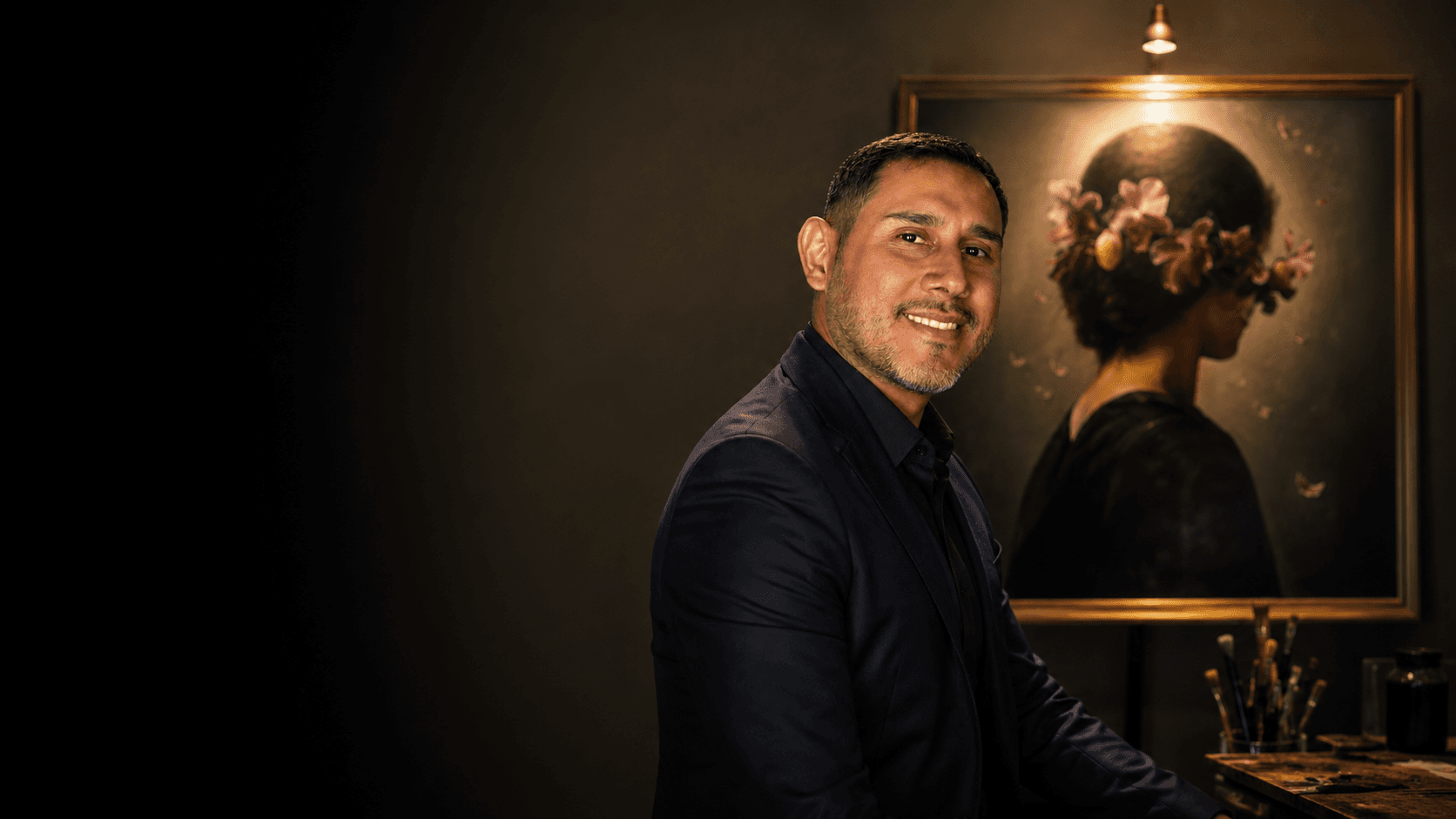
Rolando Rojas working at the easel
Environment
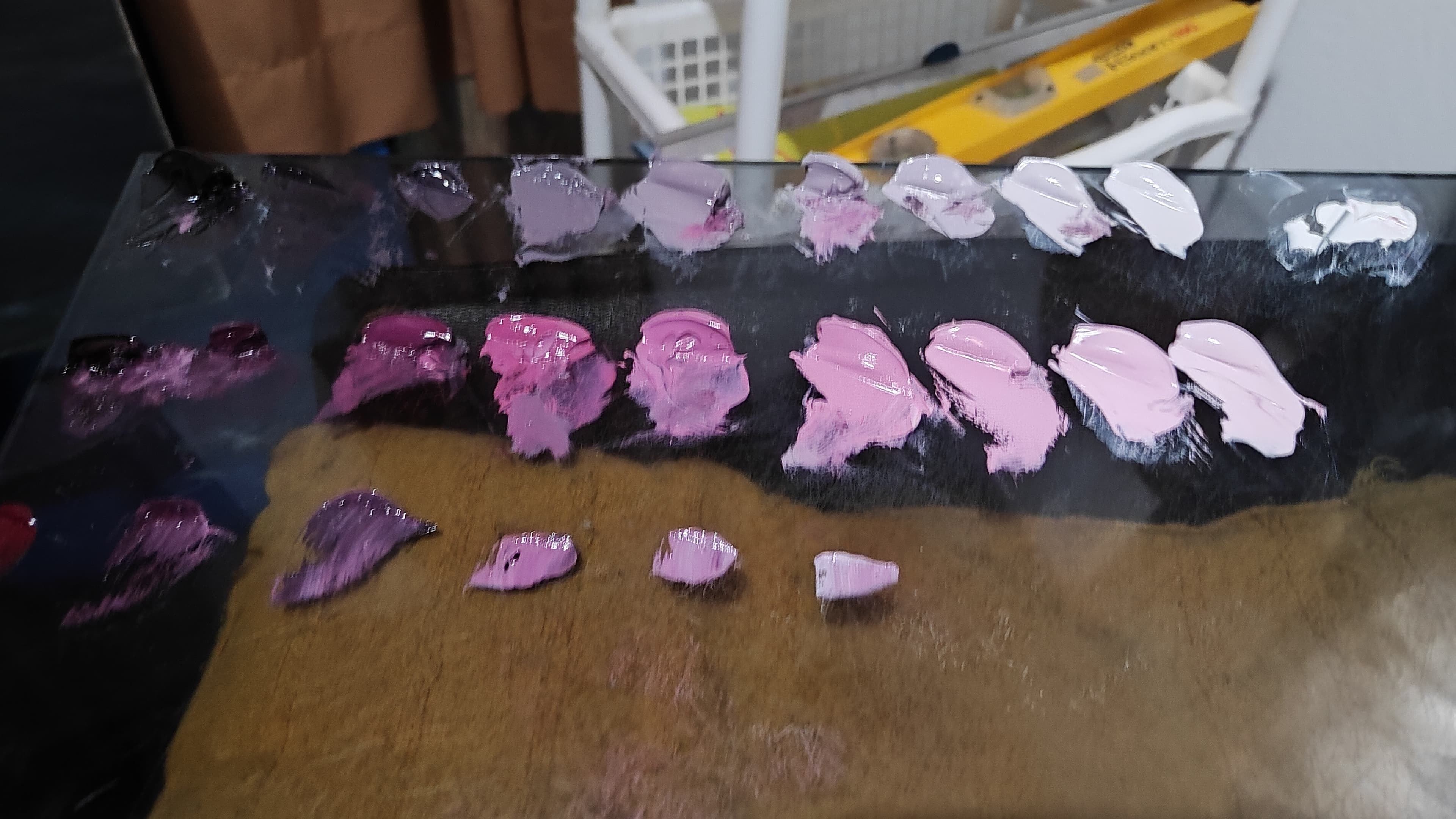
Oil paint color mixtures prepared on the artist's palette
Material
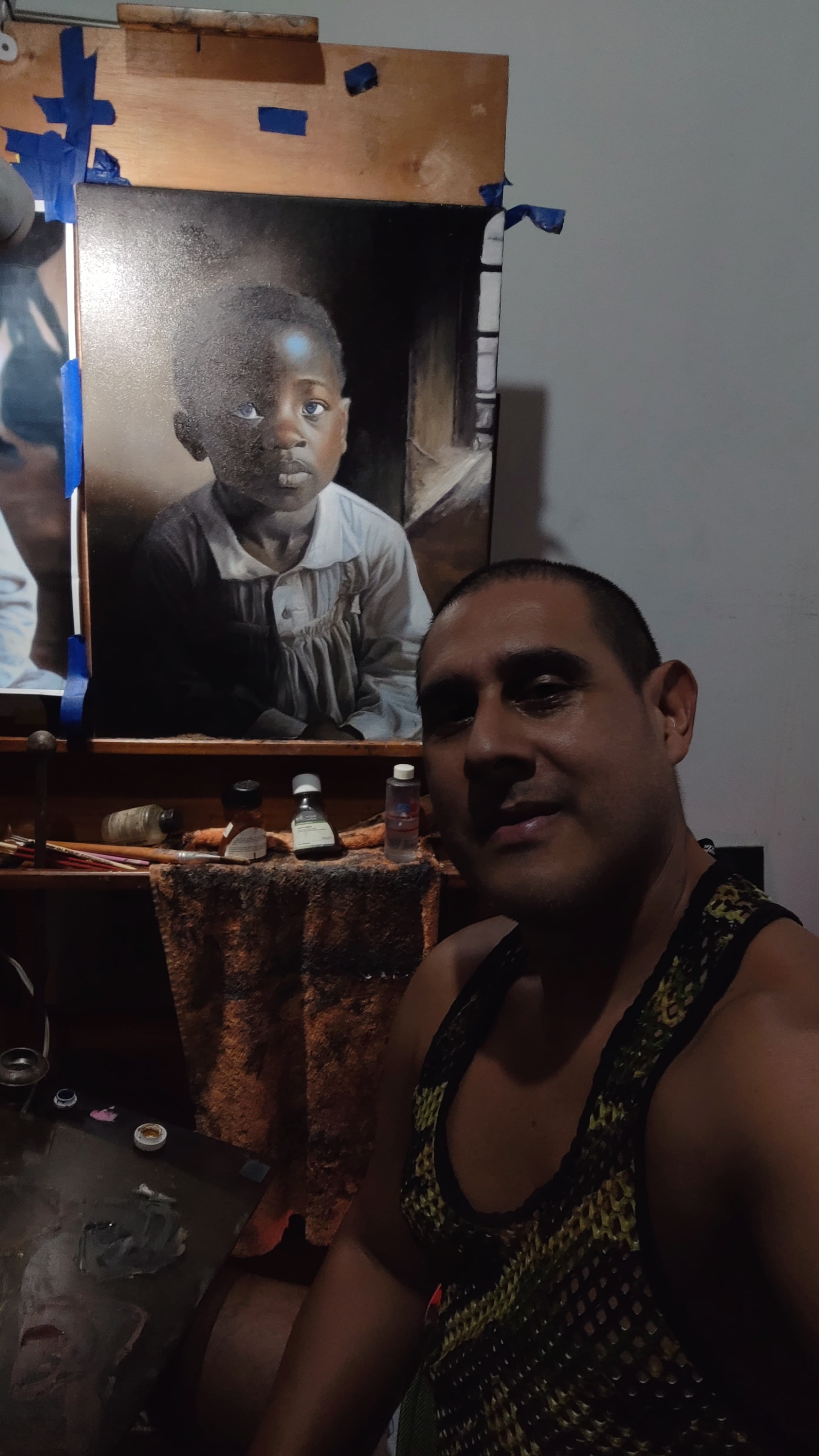
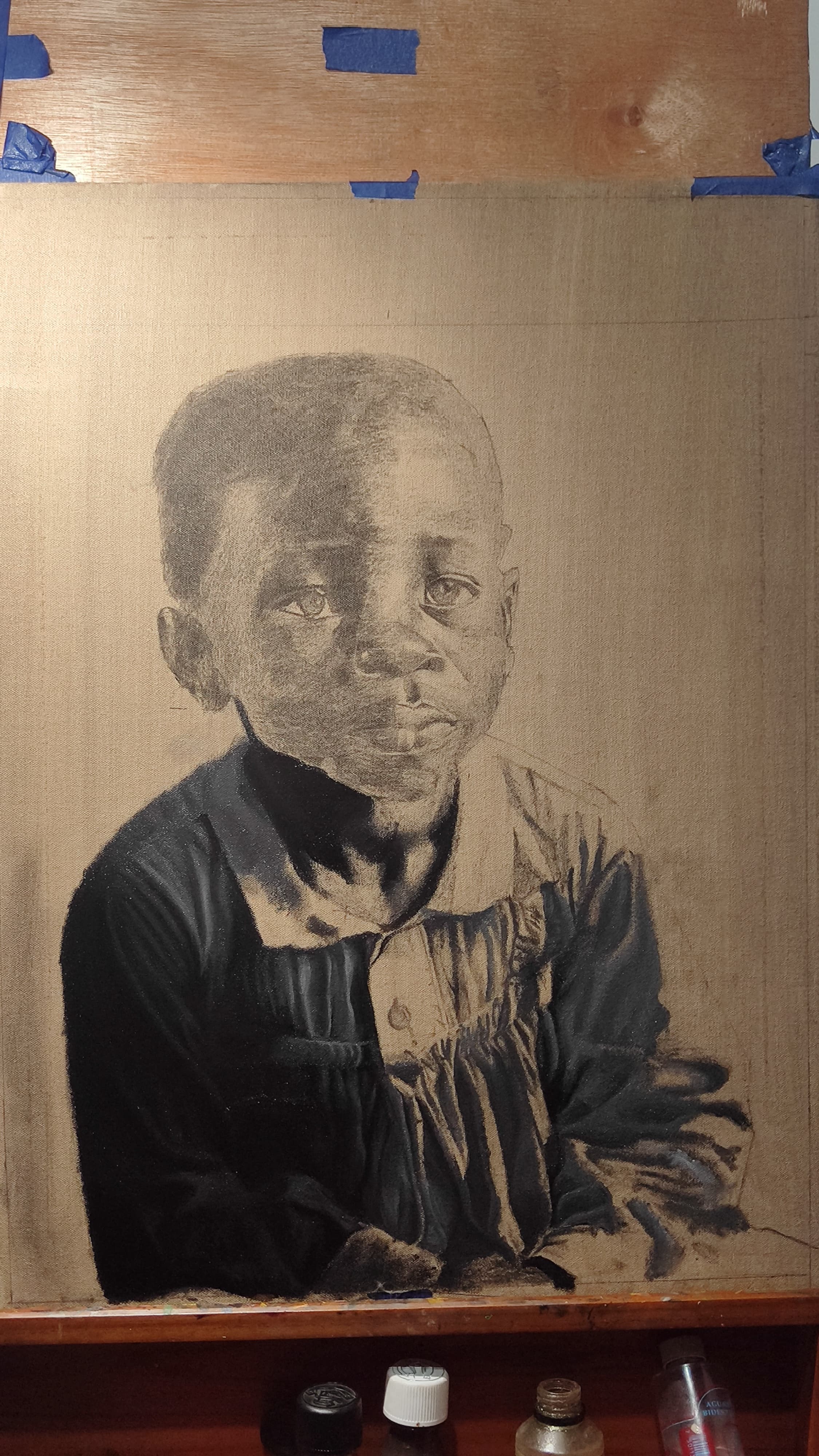
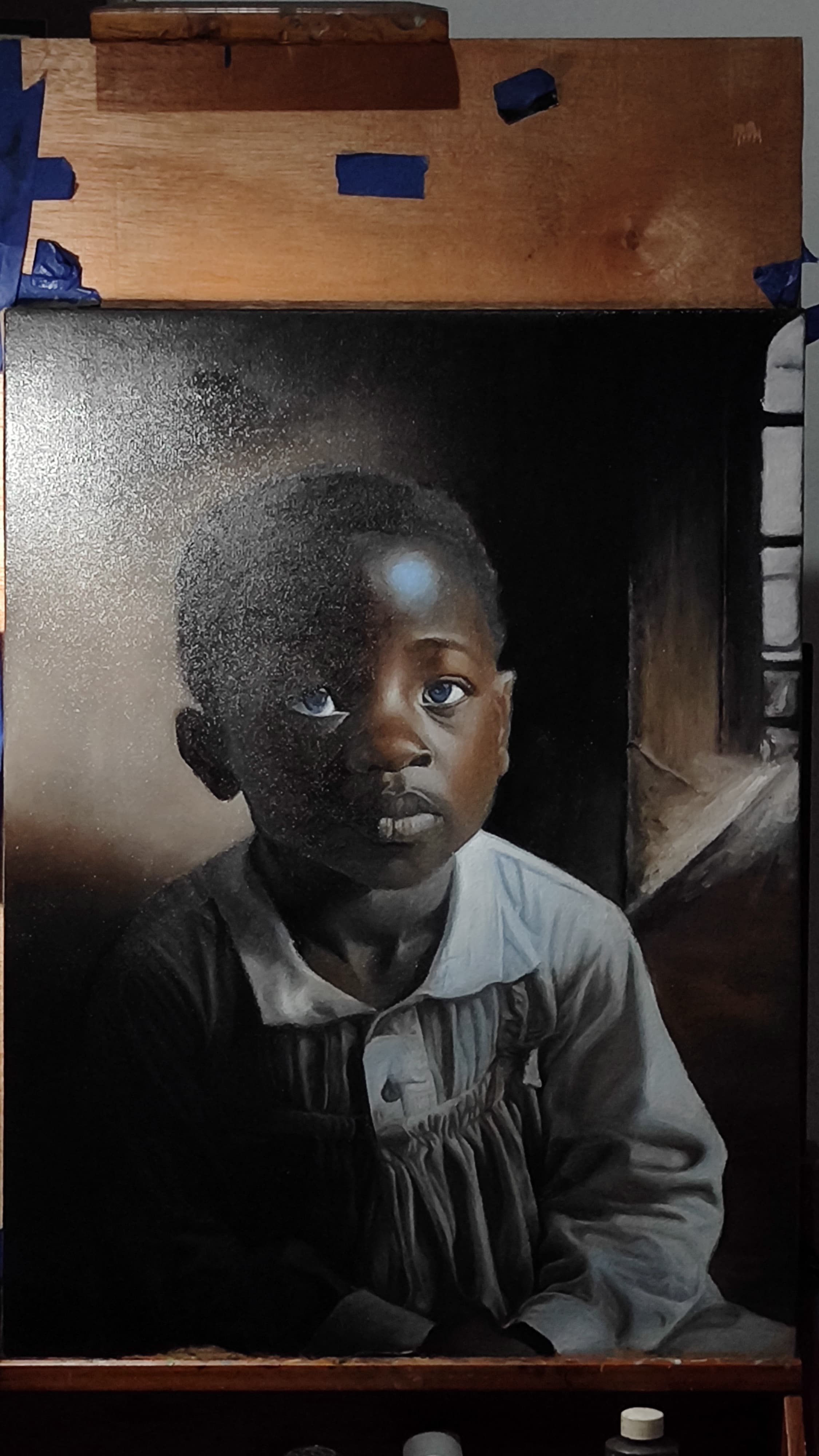
Portrait painting in progress
Work

At the easel, the process becomes a continuous conversation between intention and discovery. A painting may begin with a clear idea, yet the canvas inevitably asks its own questions. Forms are reconsidered. Light is adjusted. Colors are built, removed and rebuilt. Some decisions are deliberate; others emerge only through the act of painting.

This is wherediscipline andintuition meet.

The objective is not simply to reproduce what the eye can see, but to understand what makes a moment worth preserving — and then to search for the visual language capable of carrying that feeling.

Each painting therefore becomes both an image and a record of attention: layers of observation, correction, patience and time.

And perhaps the process never truly ends with the final brushstroke. Every finished work leaves behind another question — something to carry into the next canvas.

The Journey

Nothing arrived all at once.

Looking back, the path toward painting does not appear as a straight line.

It is a sequence of encounters — some seemingly small at the time — that gradually revealed what the next step could become.

One experience became the cause of another.

What began as curiosity became practice. Practice became discipline. And discipline opened the possibility of a more personal search.

The journey continues.

Around 2015–2017

Curiosity returns

Years after leaving drawing behind, an unexpected fascination with the intricate illustrations of Johanna Basford brought Rolando back to paper.

Color led to pen and ink. Pen and ink led to a course. And a course of only eight classes became a turning point.

He entered believing that drawing was an ability one was simply born with. He left wondering what might happen if curiosity were given time, discipline and permission to grow.

2017–2018

Learning to see

Curiosity soon demanded greater structure.

Rolando entered Atelier del Sol in San José with no previous academic training in drawing or painting. Under the guidance of Emilia Cantor, he began studying the foundations of academic realism: drawing, proportion, value, form, composition and eventually oil painting.

The atelier transformed admiration into practice.

What had once seemed like an inaccessible ability began to reveal itself as something that could be studied, practiced and continually refined.

2018–2021

The work enters the world

As study became practice, the work gradually moved beyond the atelier.

In 2018, Rolando participated in Academicismo del Siglo XXI at the Museo del Jade in San José, followed by collective exhibitions in cultural spaces across Costa Rica.

Recognition during these formative years — from drawing and cast studies to portraiture and painting — became less a destination than confirmation that the years of quiet practice were beginning to leave a visible trace.

2022

A foundation, not an arrival

In 2022, Rolando became the second student to graduate as an academic painter from Atelier del Sol.

The achievement marked years of disciplined study, but it did not resolve the central question of the practice.

If technique teaches an artist how to see and how to construct an image, what remains when technique is no longer the destination?

Graduation became less an ending than the beginning of another search: for a brushstroke, a language and a visual identity that could become unmistakably his own.

2023 — Present

Toward a language of his own

The years that followed brought new exhibitions, new bodies of work and a deeper attention to the relationship between figure, light and inner presence.

In 2024, Sendero del Sol received an Honourable Mention at the fifth edition of La No Bienal — a work in which landscape, figure and light converge around precisely the kind of fleeting human presence that continues to shape Rolando's practice.

Yet recognition remains secondary to the question that has followed the journey from the beginning:

What is still waiting to be discovered?

The answer is not fixed.

It lives somewhere between everything already learned and everything the next painting may reveal.

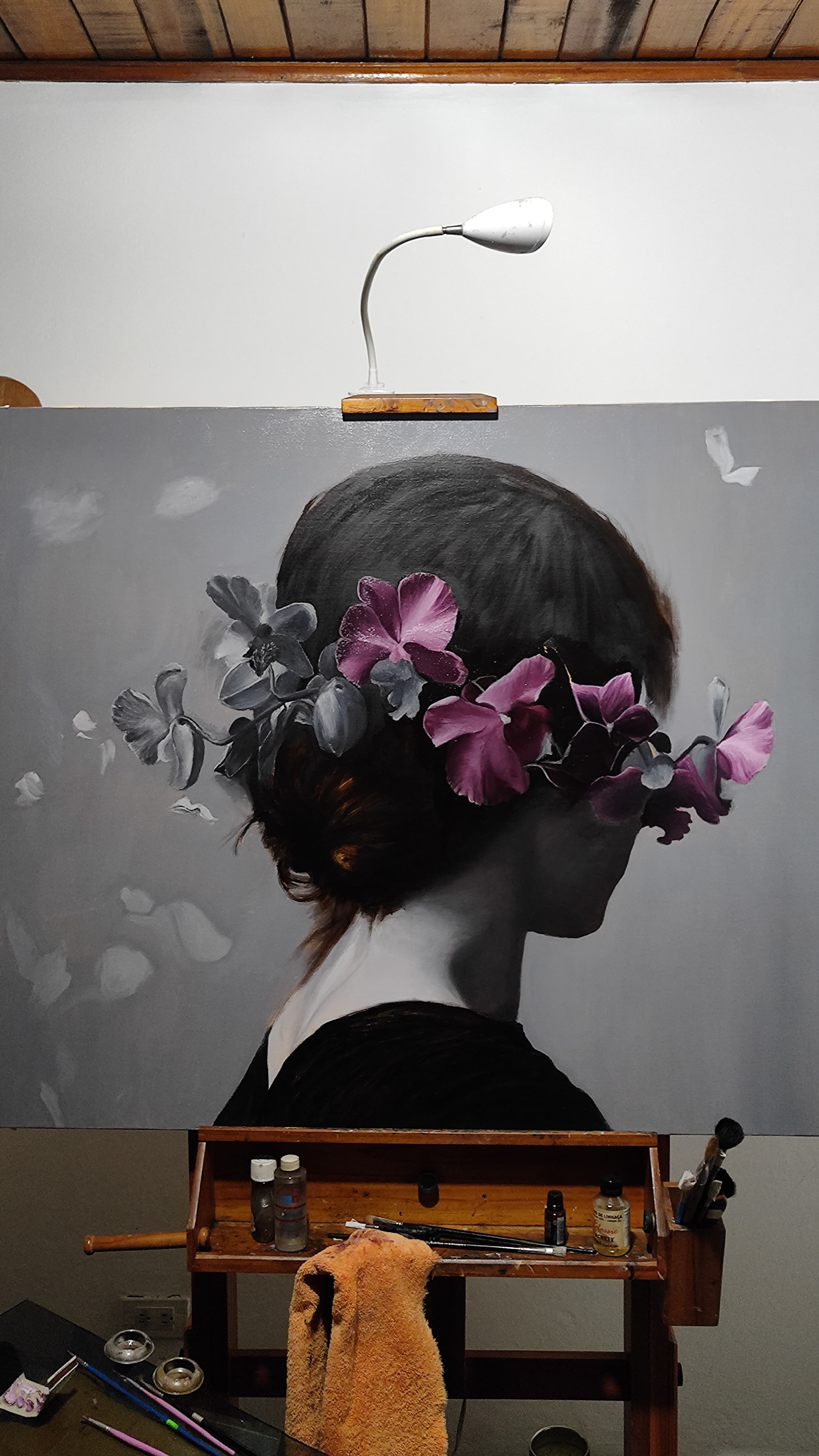
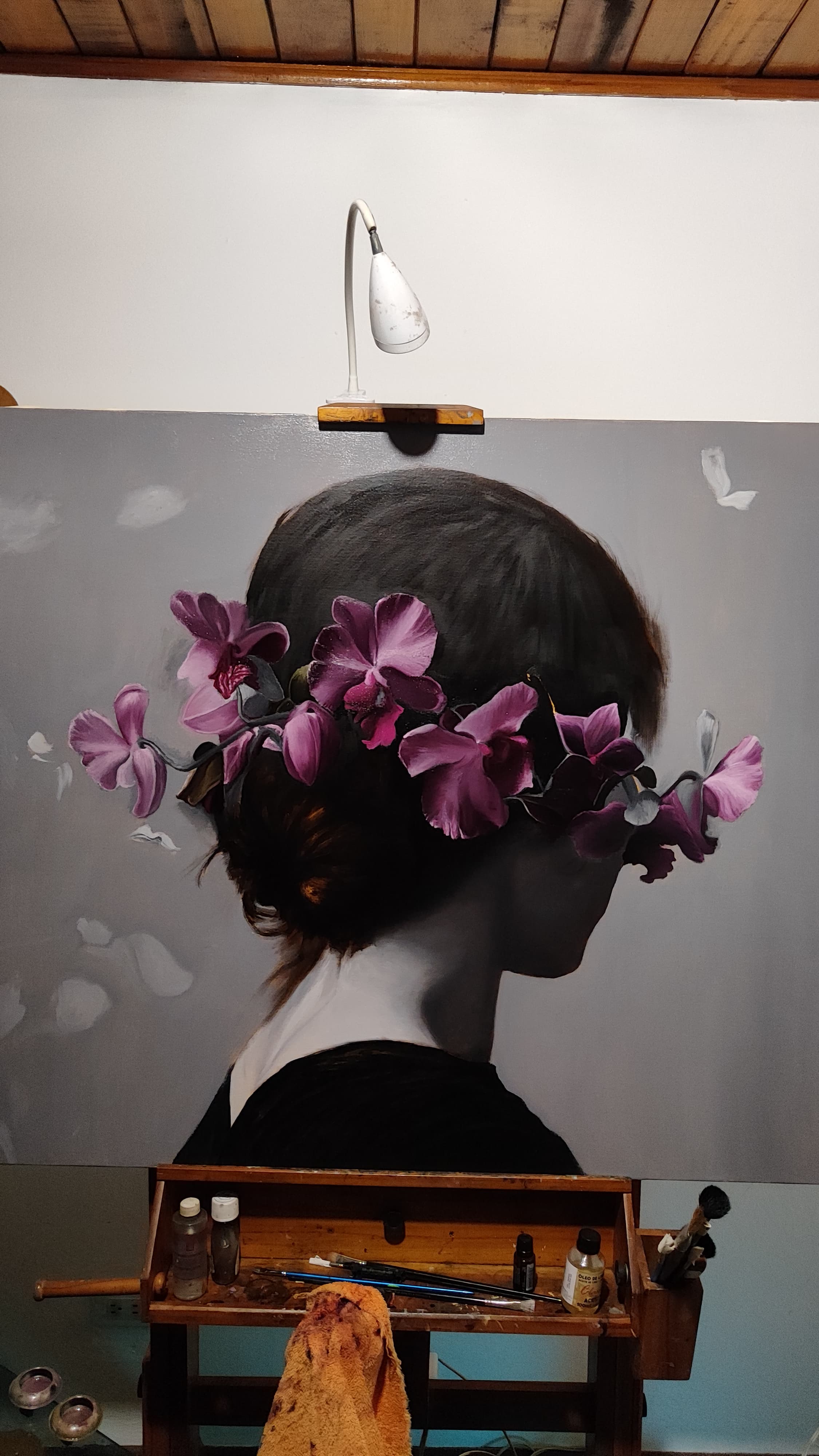
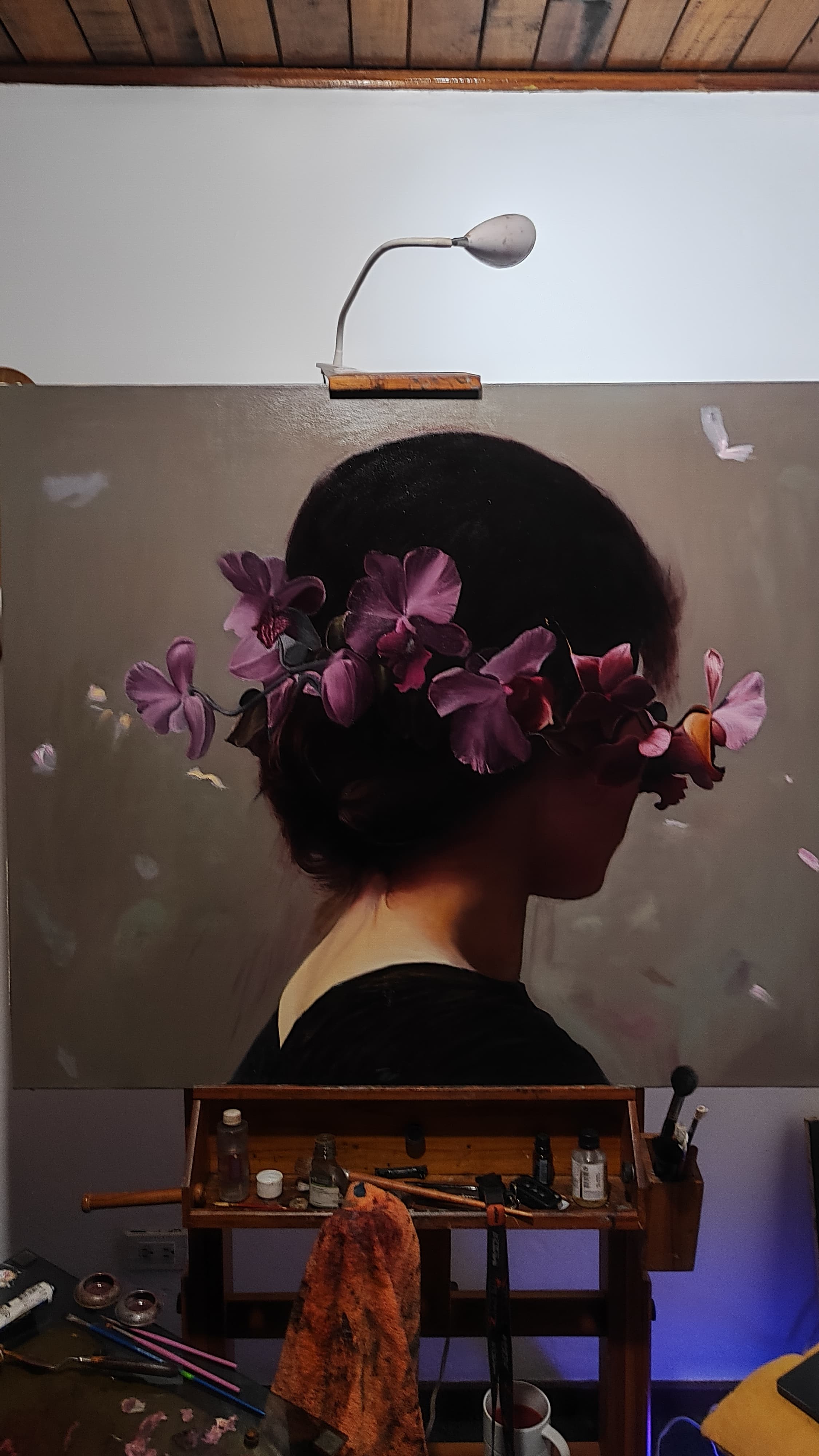
Early painting stage of Epifanía
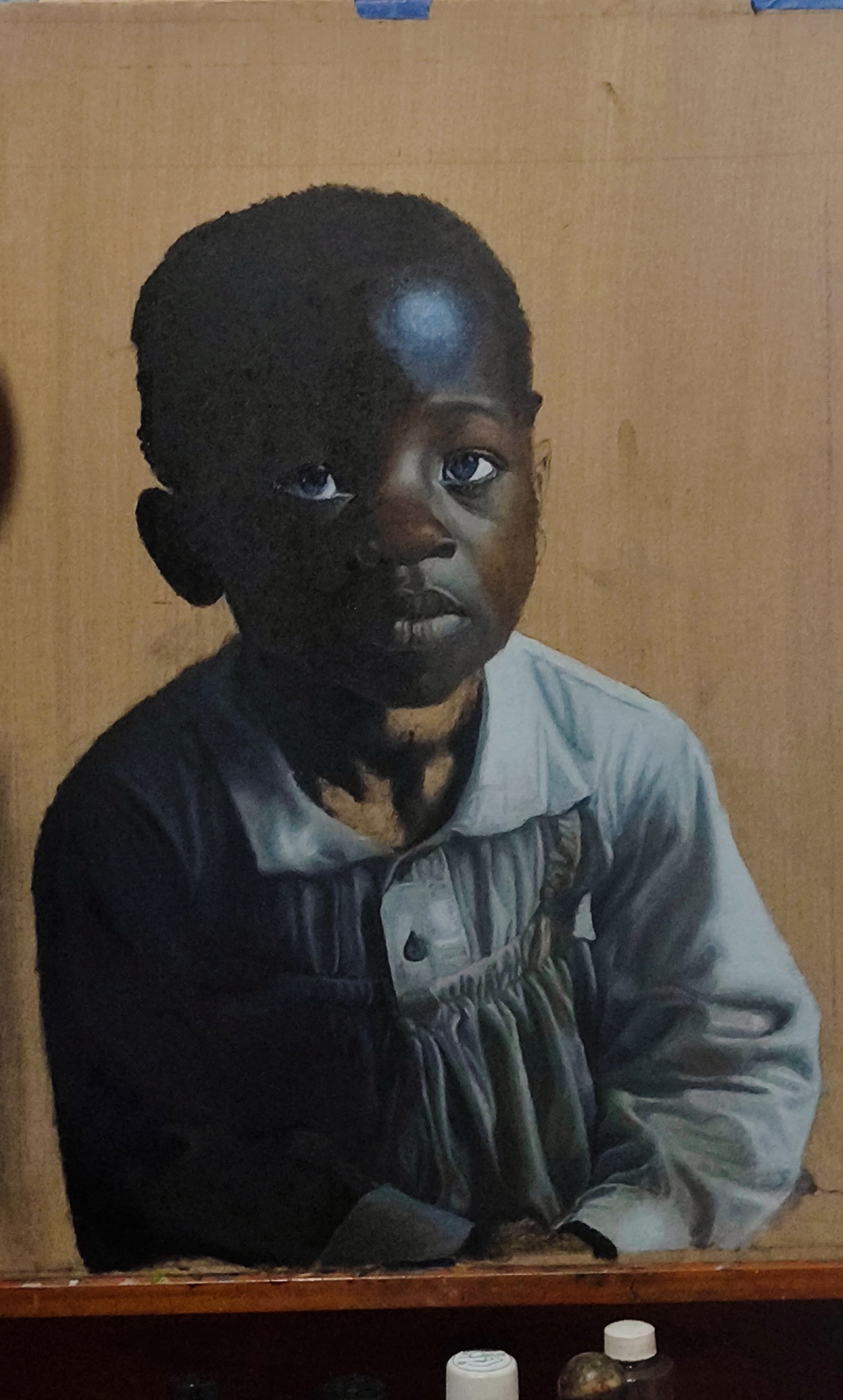
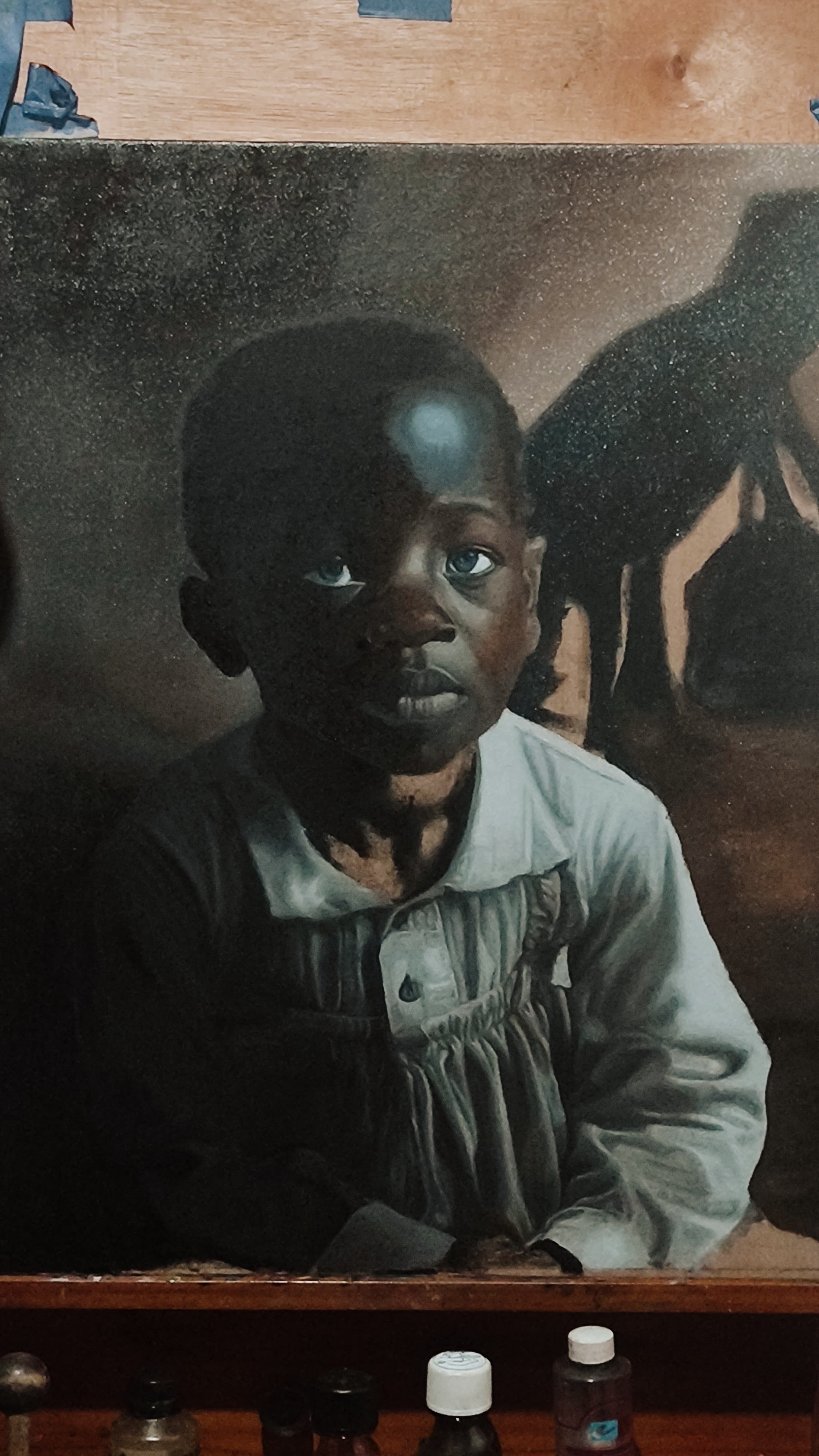
Early painting stage of El Misionero
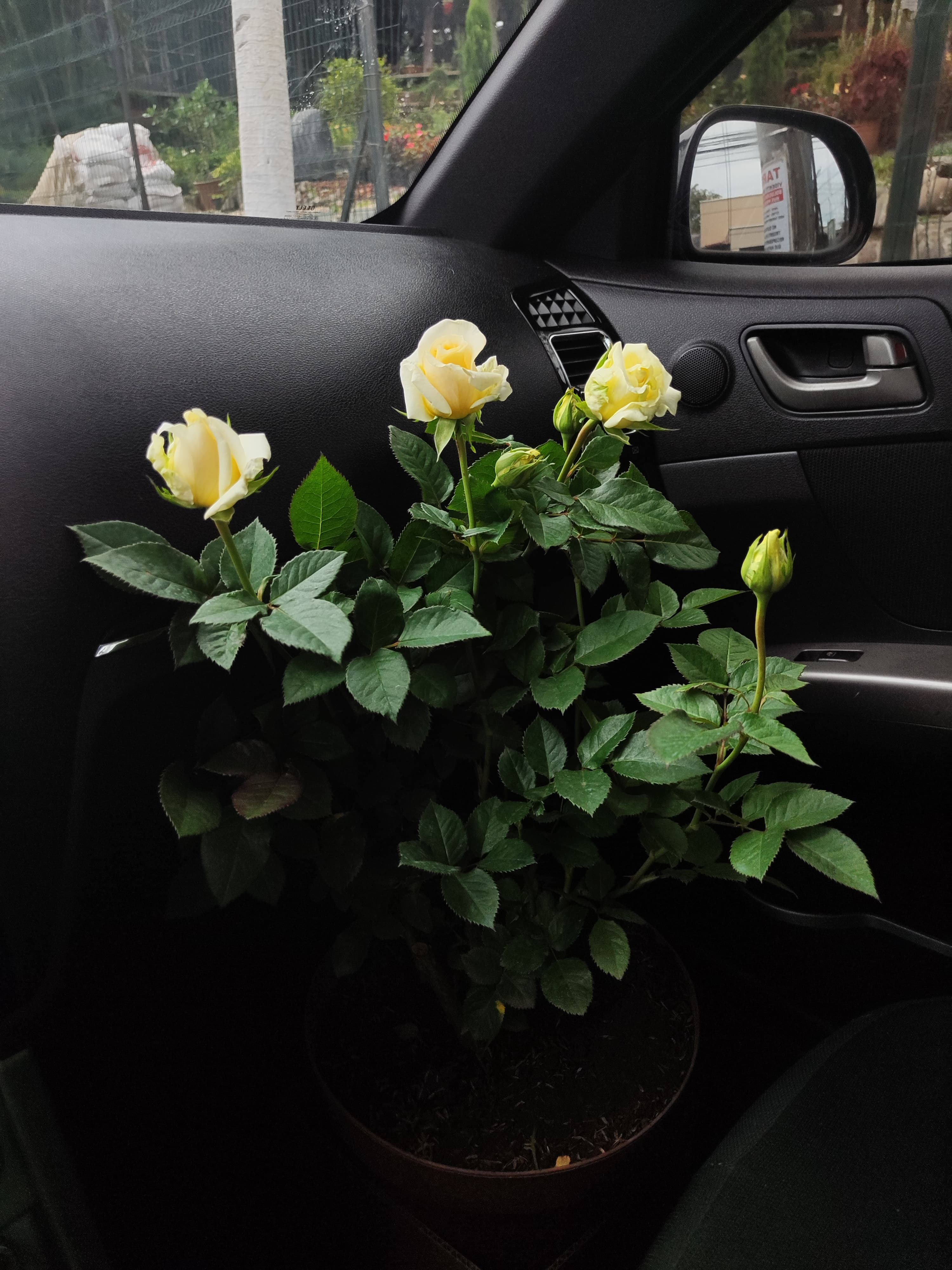
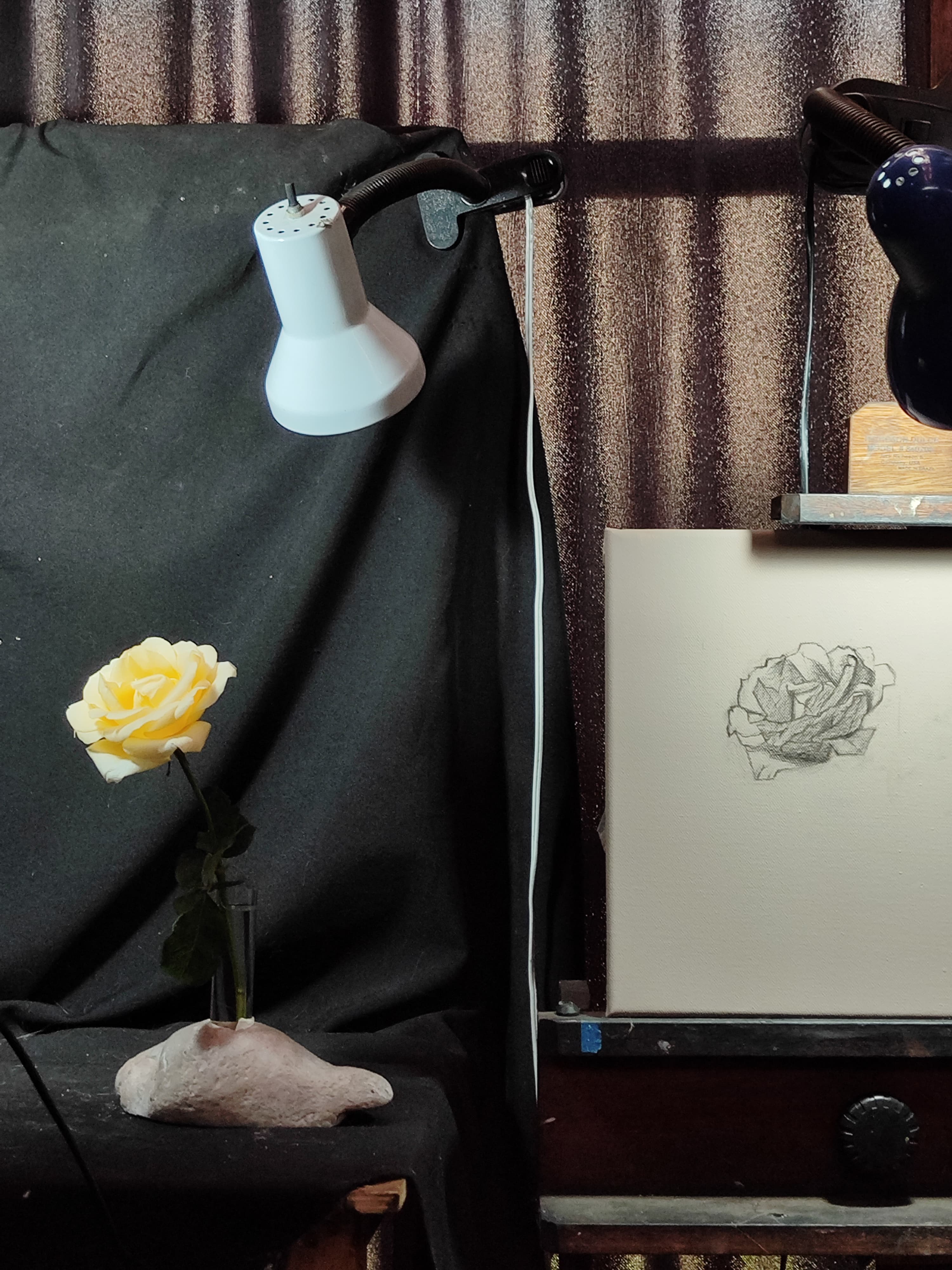
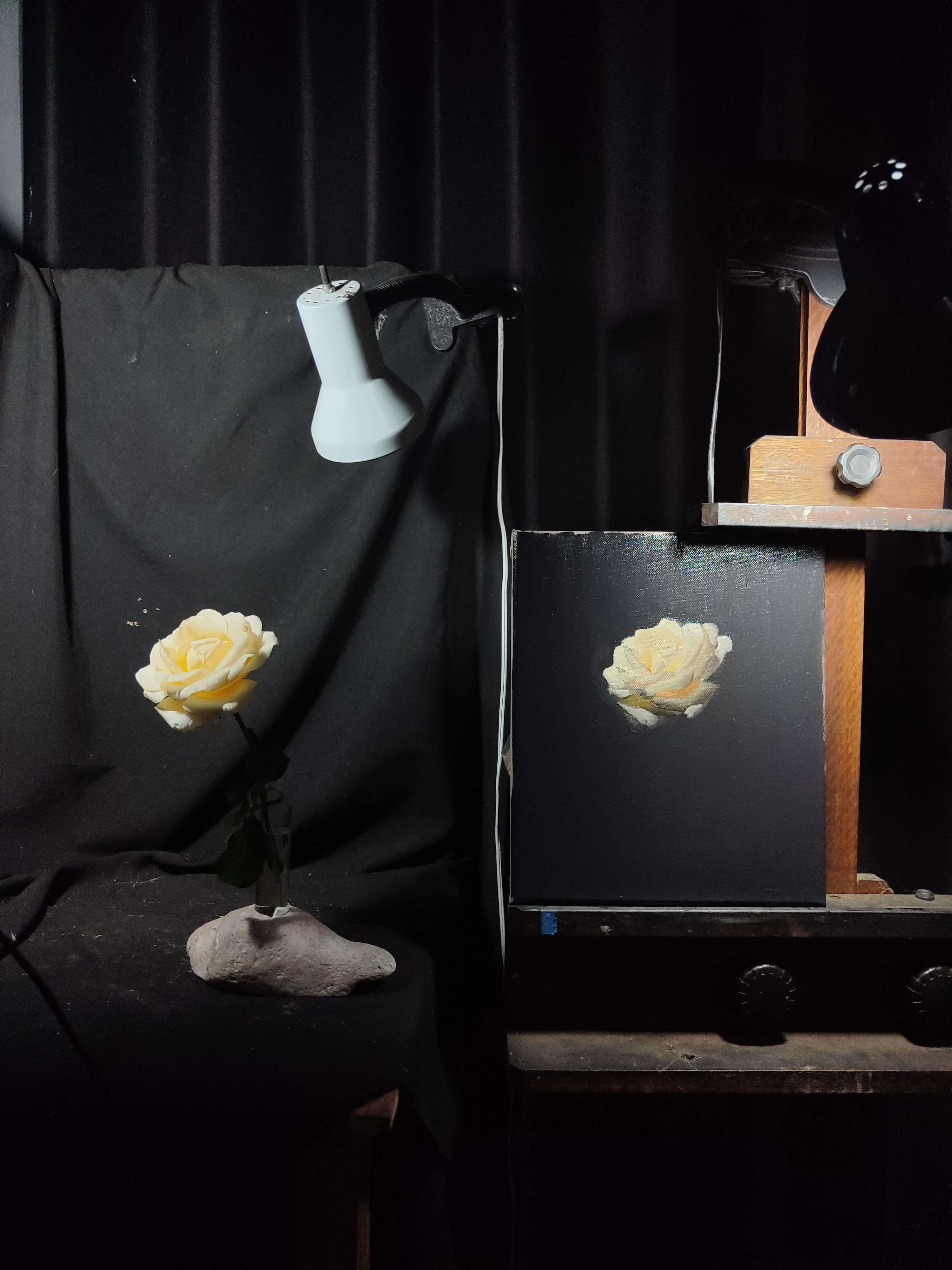
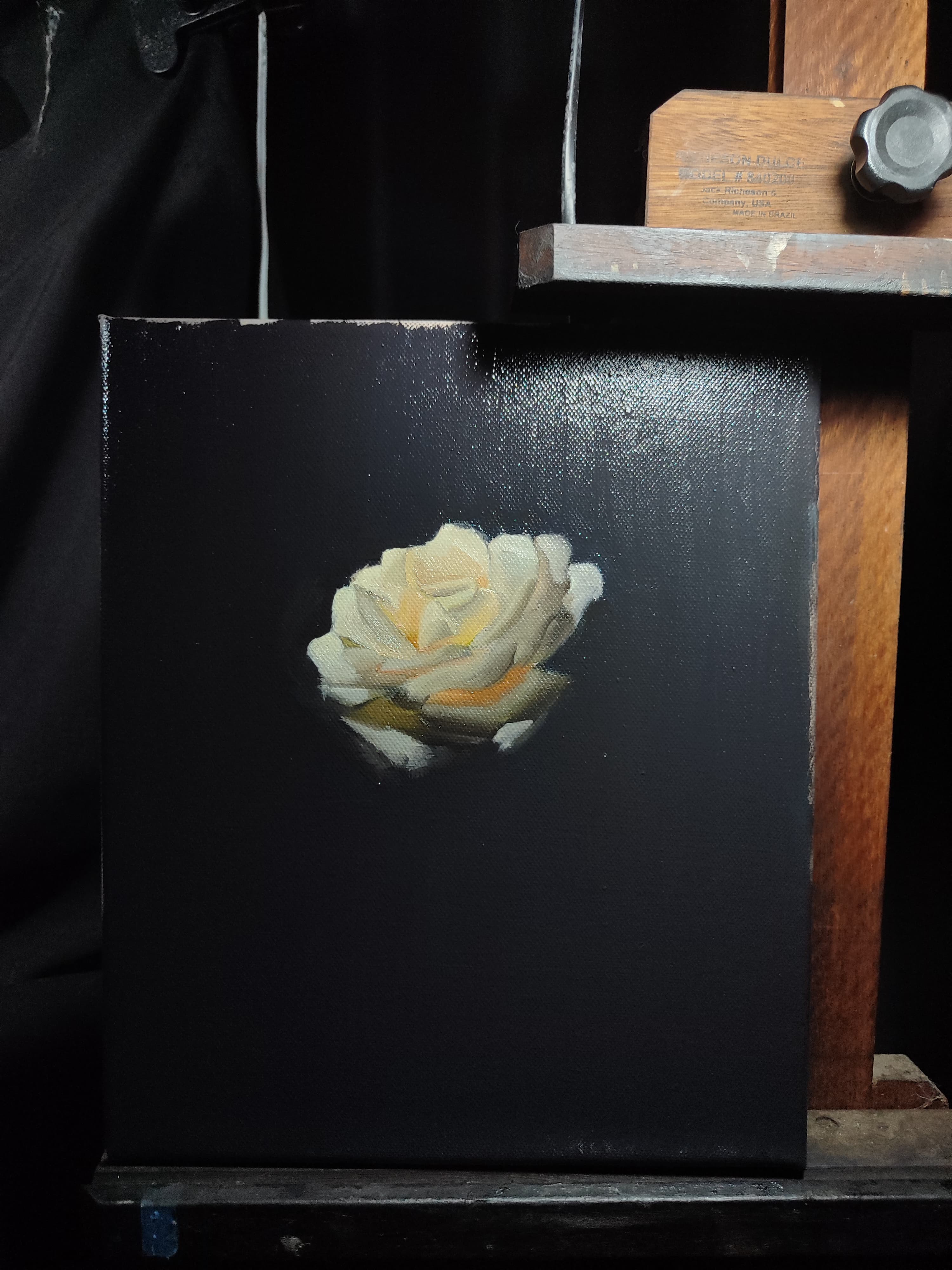
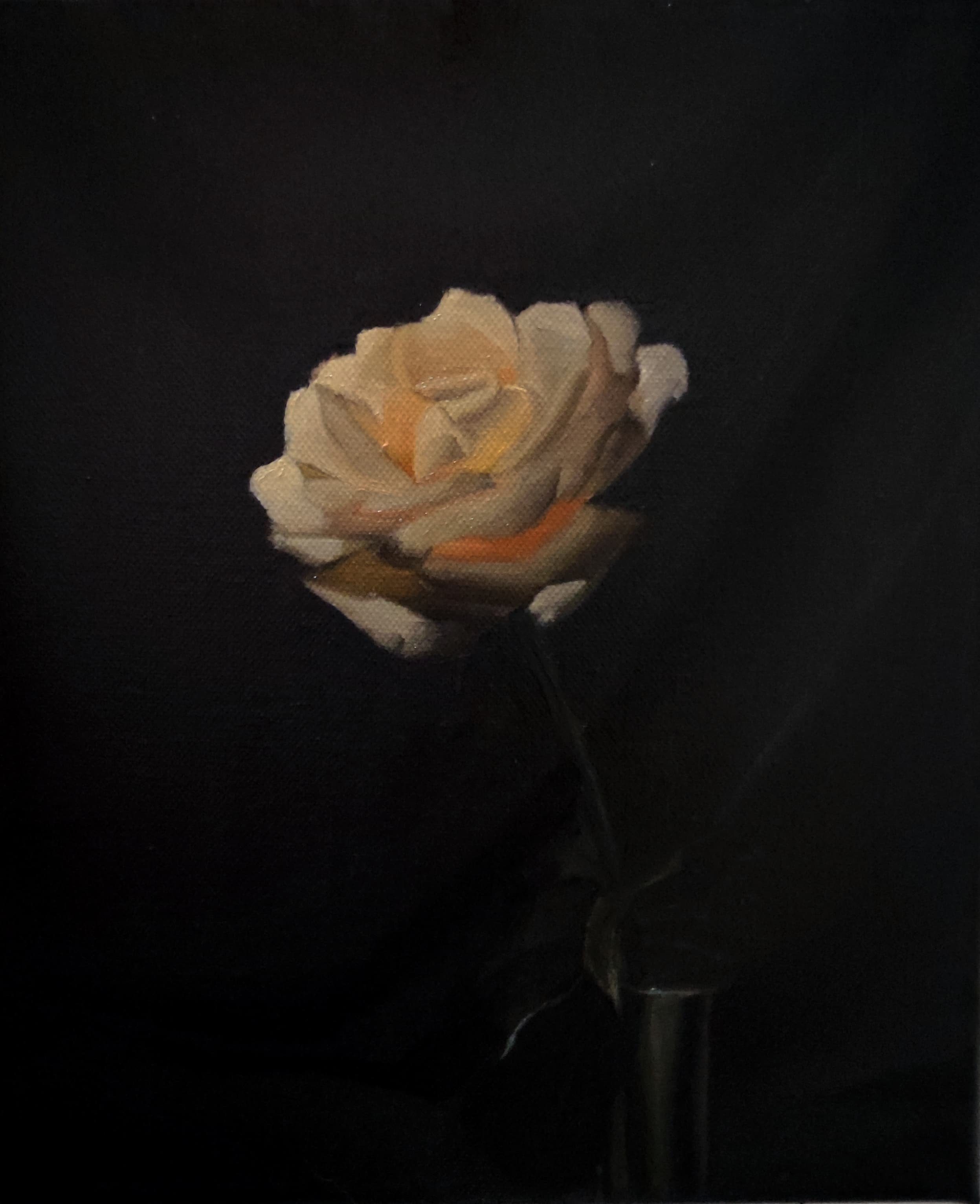
Early painting stage of Rose
Developing stage of Epifanía
Developing stage of El Misionero
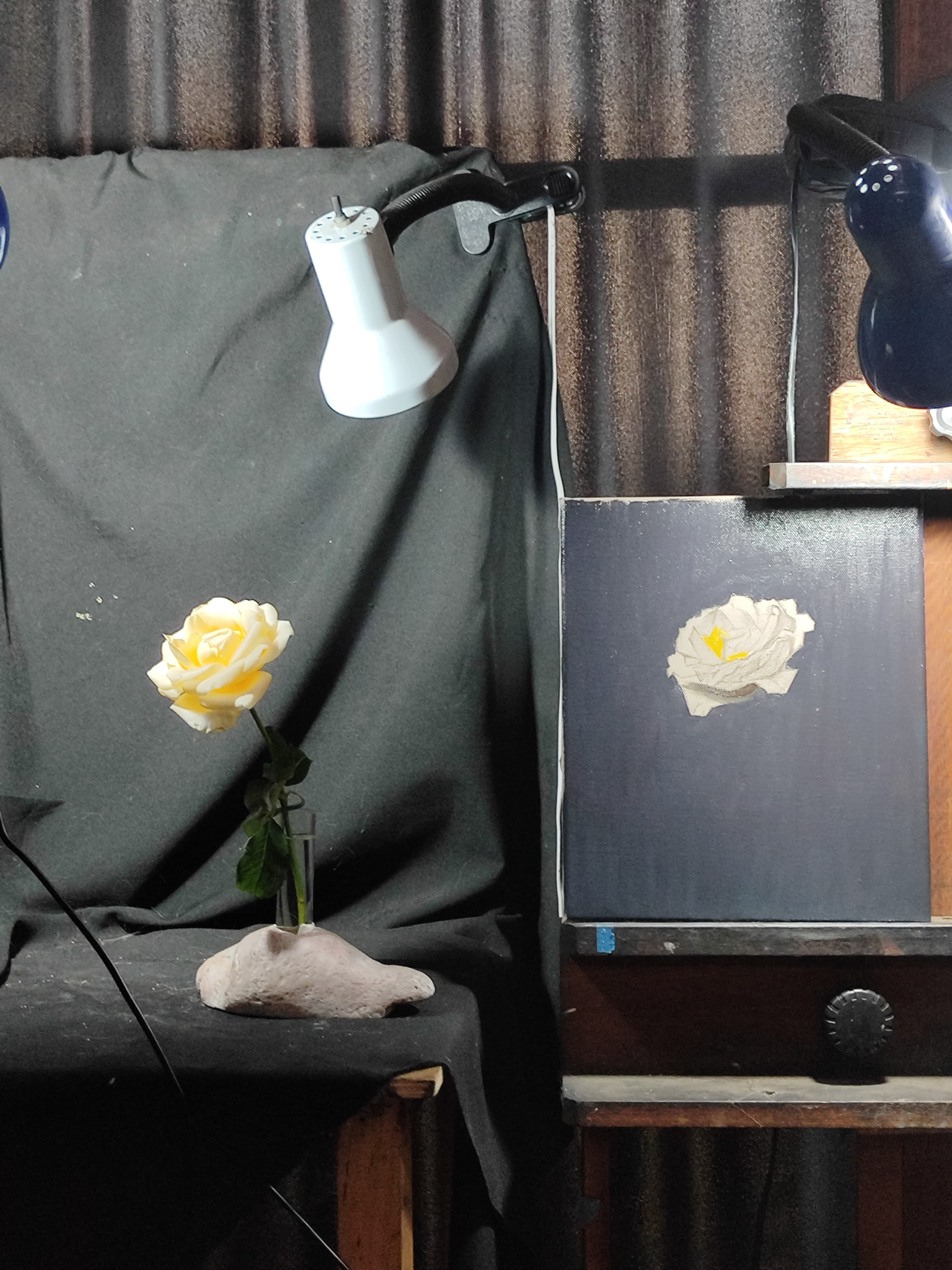
Developing stage of Rose
Painting process of Epifanía
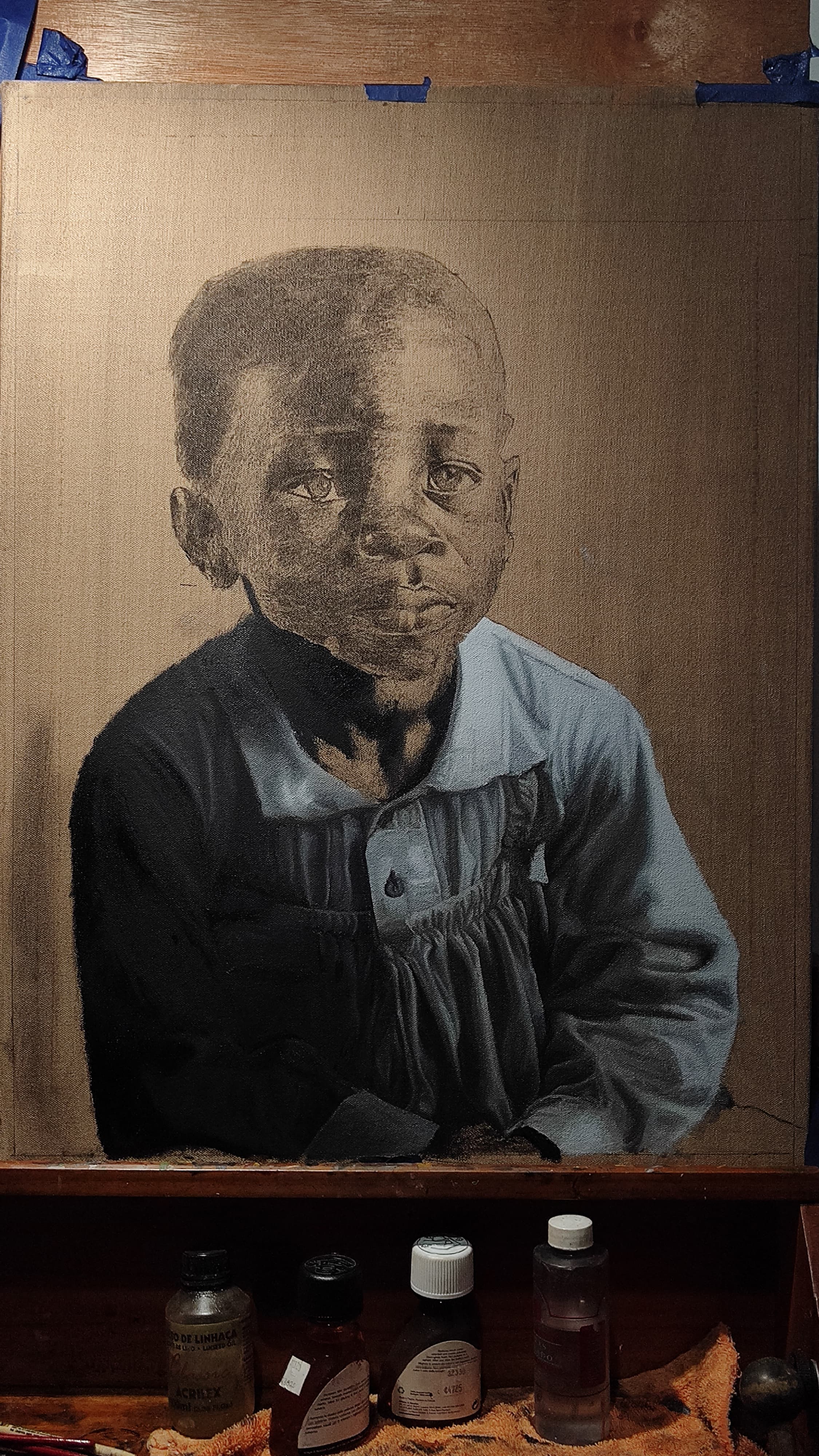
Painting process of El Misionero
Painting process of Rose
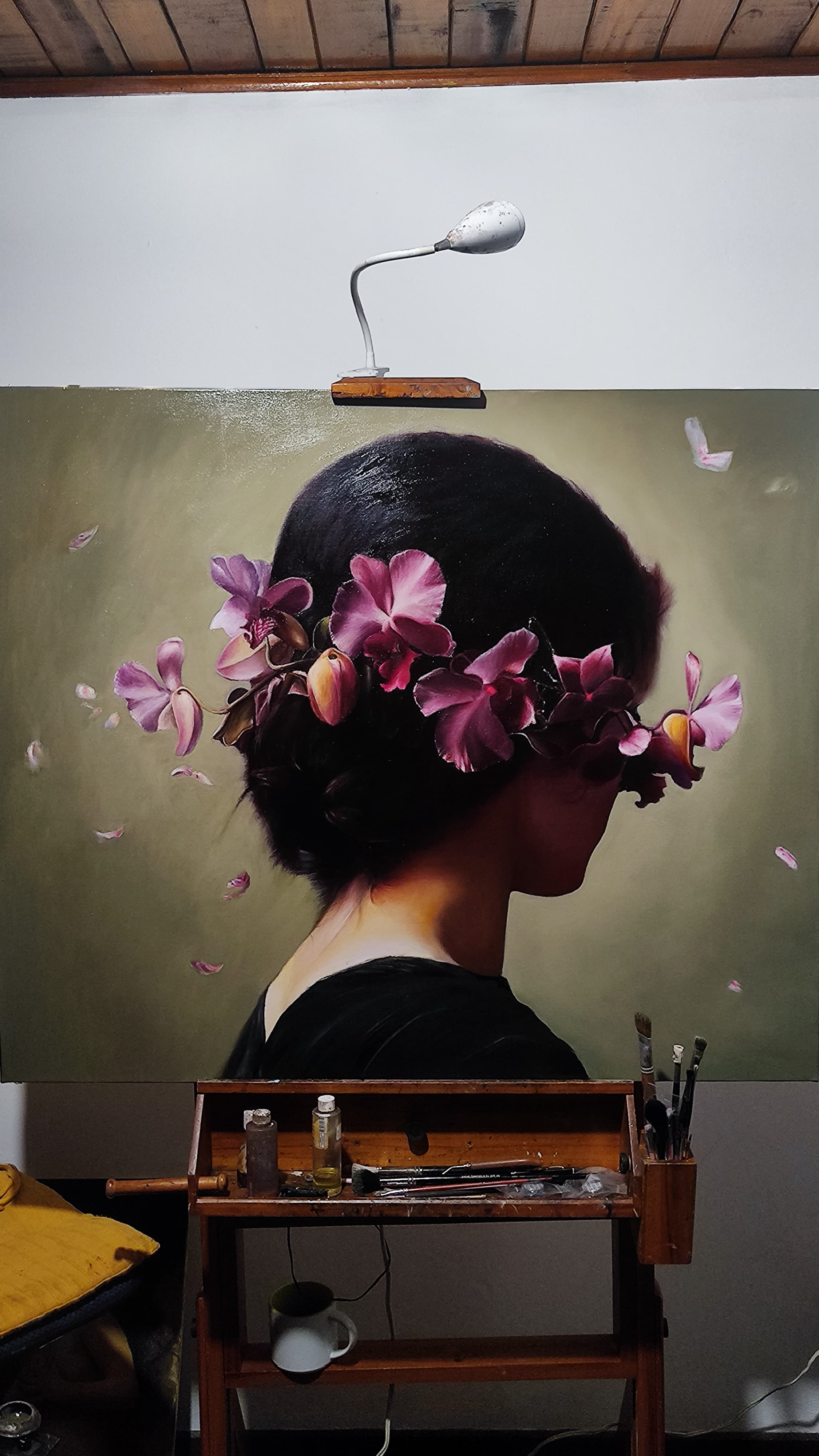
Advanced painting stage of Epifanía
Advanced painting stage of El Misionero
Advanced painting stage of Rose
Later painting stage of Epifanía
Later painting stage of El Misionero
Later painting stage of Rose
Advanced painting process of Epifanía
Advanced painting process of Rose

Each encounter became the cause of what came next.

The Work

The journey continueson the canvas.

Every painting carries something from what came before — observation, memory, discipline, questions — while opening the possibility of something not yet discovered.

The story of the artist is only one way into the work.

The rest belongs to the encounter between the painting and the viewer.

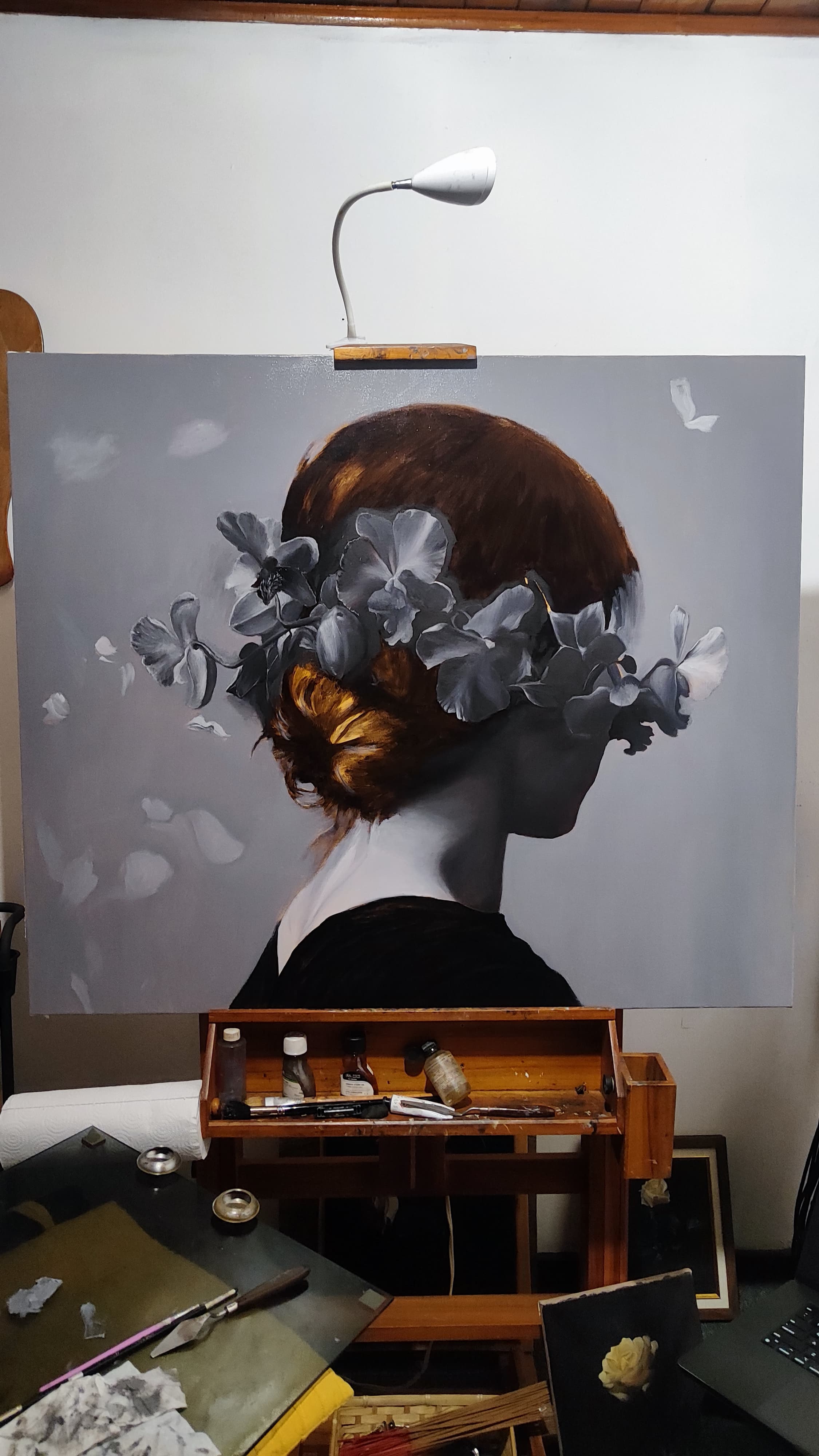
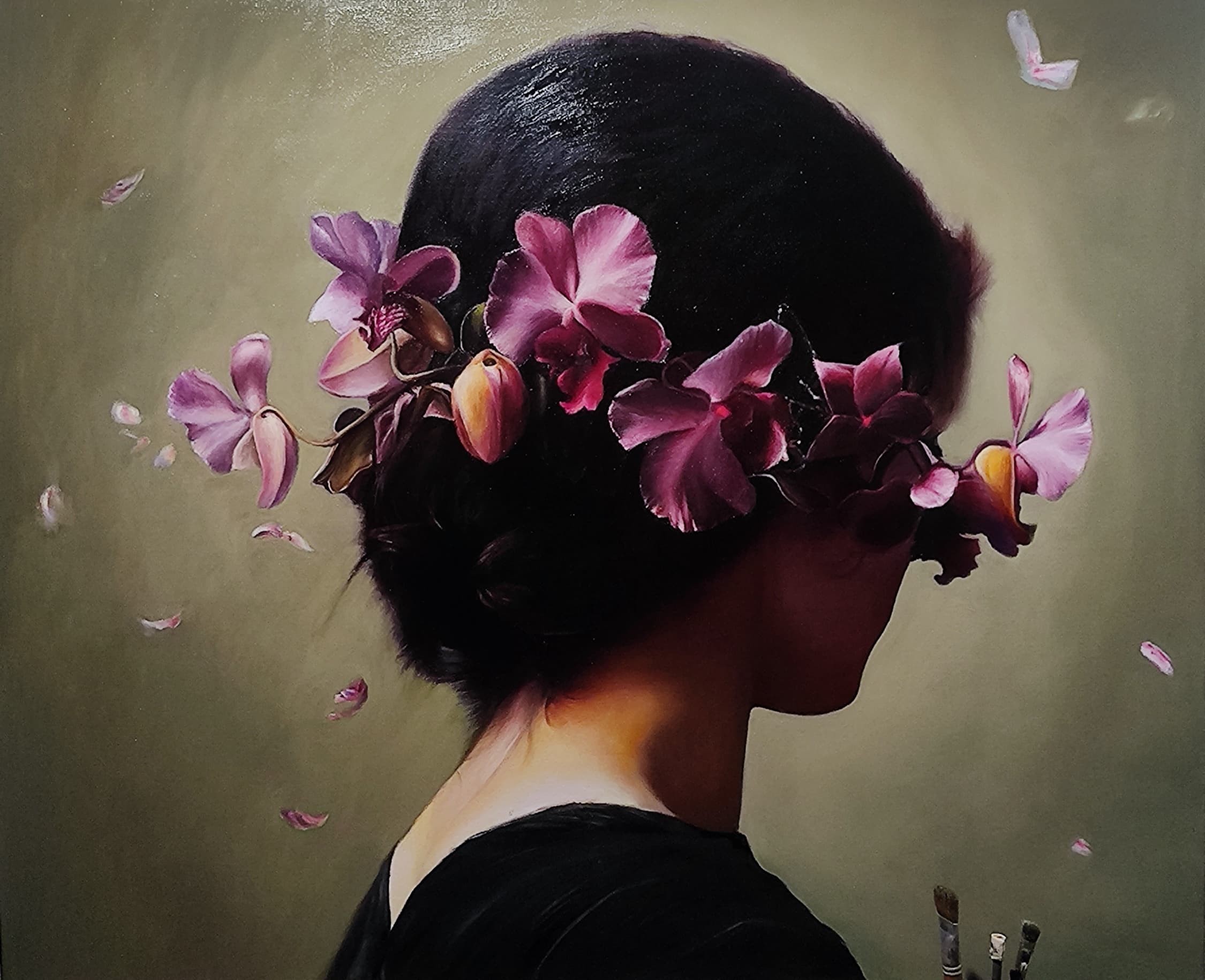
Detail from Epifanía Nupcial